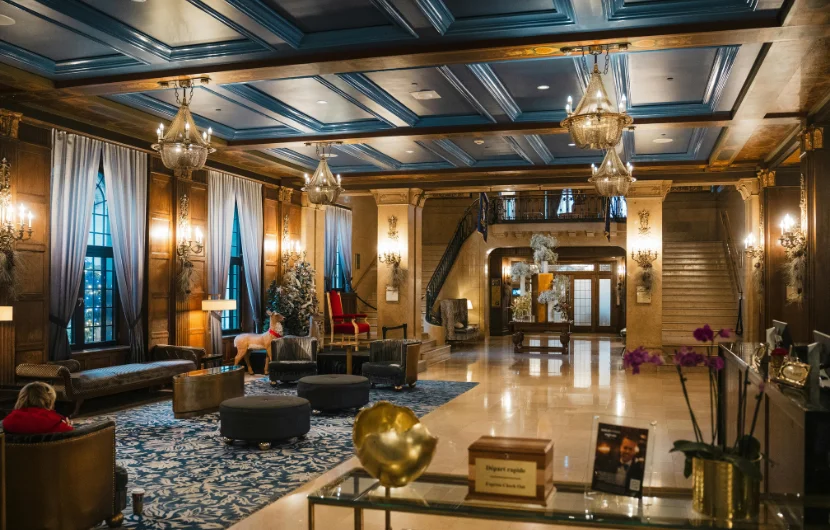
Behind every great hotel lies a meticulously planned and expertly executed development journey. What guests experience as seamless luxury and effortless hospitality is in reality the result of years of strategic planning, rigorous coordination, and disciplined execution.
Understanding the key stages of hotel development is essential for any developer or investor looking to deliver a project that meets its creative vision, financial objectives, and operational standards. Here is a breakdown of the five critical stages that define every successful hotel development.
Stage 1: Concept & Feasibility
Every great hotel begins with an idea — but turning that idea into a viable development requires rigorous analysis and strategic thinking.
At this stage, developers must evaluate the market opportunity, define the hotel’s positioning and target audience, assess the financial feasibility of the project, and determine the most appropriate brand or operating model. Key activities include market research, site analysis, financial modelling, and concept development.
Getting this stage right sets the foundation for everything that follows. A well-defined concept and a realistic feasibility assessment give developers the clarity and confidence needed to move forward with purpose.
Stage 2: Planning & Design
With a clear concept in place, the project moves into the planning and design phase. This is where the vision begins to take physical shape — through architectural drawings, interior concepts, space planning, and engineering designs.
This stage involves assembling the right team of architects, interior designers, engineers, and consultants, and ensuring that every design decision is aligned with the project’s brand positioning, guest experience objectives, and operational requirements.
Effective coordination at this stage is critical. Misalignment between design teams, budget constraints, and operational needs is one of the most common causes of costly revisions and delays down the line. A dedicated development partner ensures all parties are working towards the same vision from day one.
Stage 3: Procurement & Construction
The procurement and construction phase is where the project truly comes to life — and where the risks are at their highest. Managing contractors, sourcing materials, coordinating FF&E procurement, and overseeing construction progress requires constant attention, clear communication, and decisive problem-solving.
At this stage, budget management and timeline adherence become paramount. Unexpected challenges are inevitable in any construction project, and the ability to respond quickly and effectively can mean the difference between a project that stays on track and one that spirals into costly overruns.
Strong governance and a single point of accountability are essential during this phase to keep all parties aligned and ensure that quality standards are consistently met.
Stage 4: Pre-Opening & Operational Setup
As construction nears completion, attention shifts to preparing the hotel for operations. This is one of the most underestimated stages of hotel development — and one of the most important.
Pre-opening activities include finalizing technology and systems integration, recruiting and training staff, developing standard operating procedures, establishing vendor and supplier relationships, and coordinating brand and marketing launch activities.
A well-executed pre-opening phase ensures that when the doors open, the hotel is ready to deliver the guest experience it was designed for — from day one. Cutting corners at this stage often results in operational challenges that take months or even years to resolve.
Stage 5: Handover & Operational Launch
The final stage of the development journey is the handover — the transition from development mode to operational mode. This involves the formal transfer of the property to the hotel operator or management team, completion of all outstanding construction and fit-out works, final inspections and regulatory sign-offs, and the official launch of operations.
A smooth handover requires meticulous planning, clear documentation, and close collaboration between the development team and the incoming operational team. When managed well, it marks the beginning of a new chapter — one where the vision that was conceived years earlier finally becomes a living, breathing hospitality experience.
The Role of a Development Partner Across All Five Stages
Navigating all five stages of hotel development successfully requires expertise, experience, and unwavering attention to detail. For developers and investors who want to protect their vision and their investment, engaging a dedicated third-party development partner provides the oversight, coordination, and accountability needed to deliver a project that truly exceeds expectations.
At Willow & White, we walk alongside our clients through every one of these stages — bringing clarity, structure, and expertise to what can otherwise be an overwhelming journey. Our role is simple: to ensure that your hotel development is delivered on time, within budget, and to the highest possible standard.
Conclusion
Successful hotel development is not a matter of chance. It is the result of careful planning, expert coordination, and disciplined execution across every stage of the project lifecycle. Whether you are embarking on your first development or your fifteenth, having the right partner by your side makes all the difference.
Thinking about your next hotel development? Connect with the Willow & White team today and let’s take your project from concept to handover — together.
